One Package, A Thousand Meanings: How Should Packaging Design Strengthen Brand Identity?
A product’s first interaction on the shelf is its packaging. Consumers often begin experiencing the product through its packaging before they ever use it. For this reason, packaging is not only a protective element but also a strategic communication tool that tells the brand’s story, reflects its values, and influences purchasing decisions.
In today’s highly competitive market, building a strong brand identity starts with the right packaging design. So, how does packaging design truly strengthen a brand? Let’s explore together.
Key Elements of Packaging Design That Strengthen Brand Identity
1. Visual Consistency and Brand Language
Packaging design must be aligned with the brand’s overall communication language. The color palette, typography, logo usage, and visual style should be consistent across the website, social media, and other marketing channels.
Consistency enhances brand recall and reinforces consumer trust. Considering that purchasing decisions are often made within seconds on the shelf, this visual harmony plays a critical role.
2. Functionality and User Experience
Beyond aesthetics, functionality is equally important. Easy-to-open, resealable, portable, and storable packaging directly impacts the user experience.
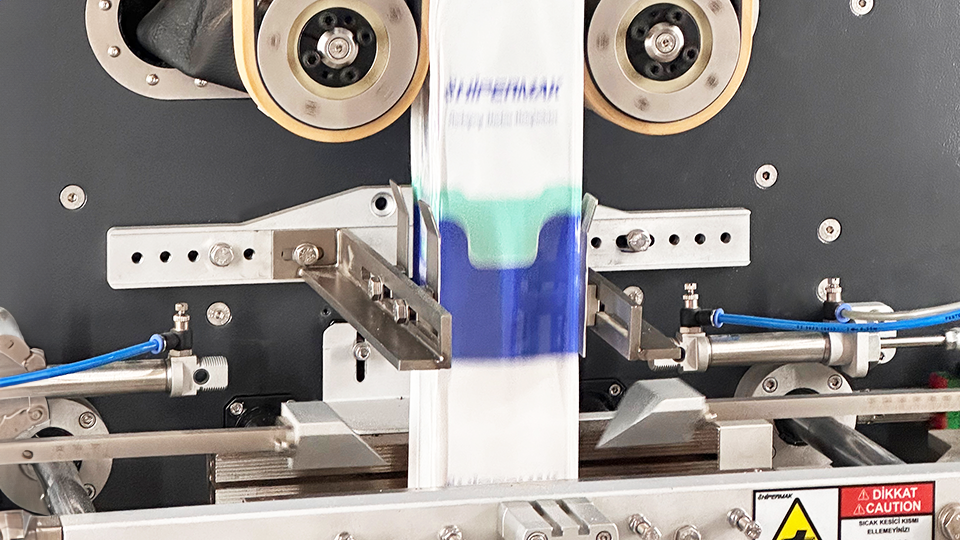
Especially in high-speed production lines, packaging design must be compatible with machinery. Poorly designed packaging can lead to downtime, packaging waste, and reduced efficiency during production.
3. Product Protection and Perceived Quality
The primary role of packaging is to protect the product from external factors. However, this protection also shapes the perception of quality.
For example, Modified Atmosphere Packaging (MAP) technology used in the food industry extends shelf life while conveying messages of “freshness” and “safety” to consumers. Sealing integrity is also a critical parameter for both product safety and brand reputation.
4. Sustainability and Environmental Responsibility
Today’s consumers do not just buy products; they also buy the values and experiences of a brand.
Recyclable materials, reduced packaging usage, and a lower carbon footprint reflect a brand’s environmental responsibility. This approach has become a decisive factor in brand preference, especially in global markets.
5. Shelf Impact and Differentiation
The ultimate test of packaging is on the shelf. Standing out among dozens of products in the same category requires a strong design strategy.
The use of contrasting colors, simple yet striking graphics, and a clear message hierarchy helps attract consumer attention. However, the key is not just to stand out, but to deliver the right message to the right target audience.
6. Technical Compatibility and Production Efficiency
Packaging design is not only a matter of marketing but also of engineering.
In high-speed packaging machines (for example, systems operating at 400–500 packs per minute), the technical parameters of packaging directly affect production performance.
- Packaging thickness and structure
- Sealing properties
- Cutting and form stability
If these elements are not properly optimized, unplanned downtime, product losses, and increased costs become inevitable.
The Right Packaging Means a Strong Brand
Packaging design is far more than just the outer shell of a product. Well-designed packaging:
- Strengthens brand identity
- Builds consumer trust
- Accelerates purchasing decisions
- Supports production efficiency
In short, good packaging carries not only the product but also the brand.
At Hipermak, we believe that packaging should be optimized not only for aesthetics but also for technical performance and production efficiency. Because we know that:
A package is not just a product, it is the strongest representative of your brand on the stage.
For more information, please feel free to contact us.